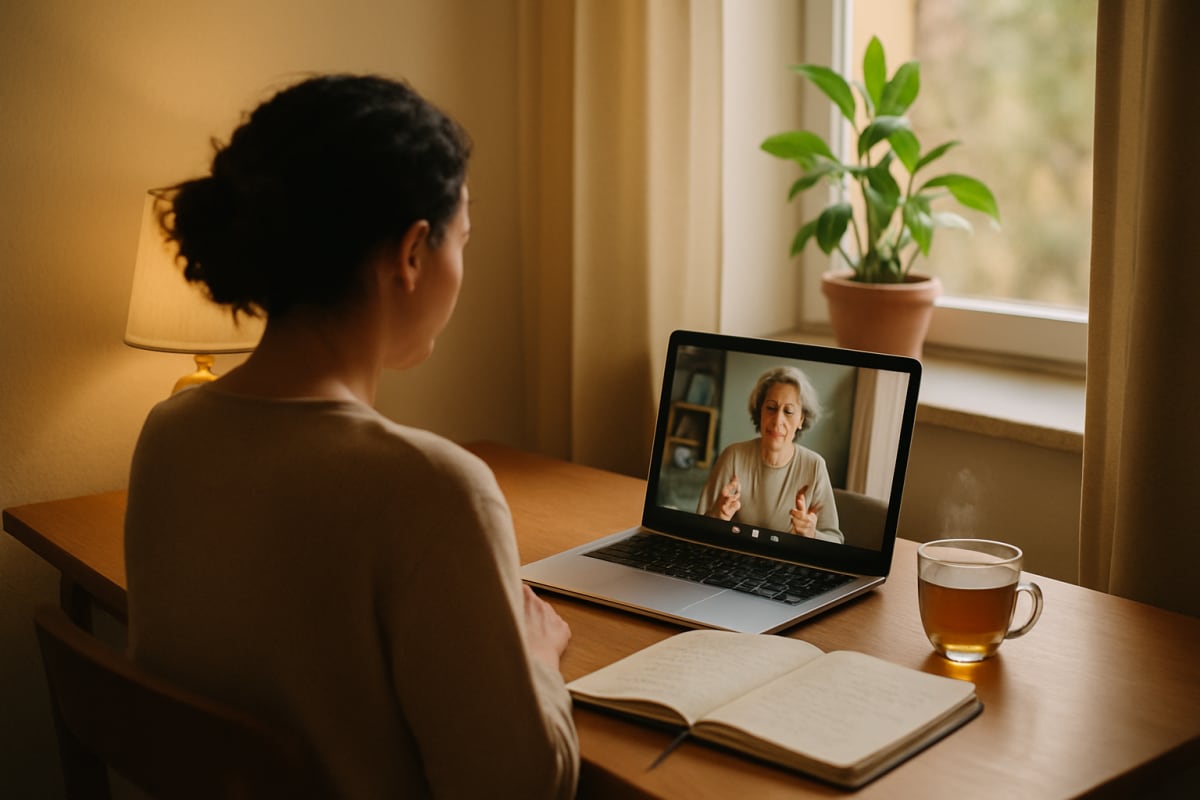
What Intentional Living Really Means
Rami Hajji
Author

What intentional living actually means
Intentional living means deciding what deserves your attention before the day decides for you. It is not about slowing down or owning less. It is about whether your time reflects choices you actually made.
We are more connected than ever - and yet more distracted.
Our days are shaped by notifications, algorithms, and endless streams of information telling us what to want, who to follow, and how fast we should be moving. In this environment, intentional living sounds appealing - but also vague.
So what does it actually mean to live intentionally in a world designed to pull our attention in every direction?
The Problem Isn’t Lack of Time - It’s Lack of Choice
Many people believe they don’t live intentionally because they’re too busy.
But the real issue isn’t time.
It’s unconscious decision-making.
When your days are filled with reactive choices - responding instead of choosing - life starts to feel automatic. Intentional living begins when you reclaim authorship over your attention, energy, and direction.
Intentional Living Is Not Minimalism or Perfection
Intentional living is often misunderstood as:
living with fewer things
following strict routines
having everything “figured out”
In reality, intentional living is much simpler - and more flexible.
It means:
knowing why you say yes
knowing why you say no
aligning your actions with what matters to you now
It’s not about control. It’s about awareness.
Why Distraction Makes Us Feel Disconnected
Distraction doesn’t just steal time - it fragments identity.
When attention is constantly pulled outward, there’s little space left for reflection. Over time, this creates a quiet disconnection from yourself:
your values
your needs
your intuition
Intentional living restores that connection by slowing the input - not necessarily the pace of life, but the pace of consumption.
The Role of Awareness in Intentional Living
Awareness is the foundation of intentionality.
Before you can change how you live, you need to notice:
what drains you
what energizes you
what feels aligned - and what doesn’t
Intentional living doesn’t demand immediate change.
It starts with observation.
Choosing Direction Over Default
Modern life offers countless defaults:
default career paths
default definitions of success
default ways of measuring worth
Intentional living invites you to pause and ask:
“Is this a choice - or just a habit?”
Even small moments of conscious choice create meaningful shifts over time.
Intentional Living Is a Practice, Not a Destination
There is no final version of an intentional life.
What feels aligned today may feel restrictive tomorrow. Intentional living allows for change - it adapts as you grow.
It’s not about staying consistent with past decisions.
It’s about staying honest with your present self.
Living Intentionally in a Distracted World
Intentional living doesn’t require leaving modern life behind.
It means:
engaging with technology consciously
consuming information selectively
creating moments of reflection within everyday routines
The goal isn’t isolation - it’s presence.
A Simple Starting Point
You don’t need a complete life overhaul to begin.
Start with one question:
“Is this helping me grow in the direction I want?”
Asked consistently, this question becomes a compass.
Closing Thought
Intentional living isn’t about doing less.
It’s about doing what matters - on purpose.
In a distracted world, intention is a quiet form of power.
Work is where this gets tested hardest. If yours no longer reflects a choice you made, the signs you have outgrown your job is a useful read.
Written by Rami Hajji
Writes for Nawaya about the decisions people face in their careers, and what the people who have made them say afterwards.
Talk to someone who has already made this move
Reading about a decision only gets you so far. On Nawaya you speak one to one with a person who has made it, and the first session is free.